What regulations govern tree trimming in Pasadena, and why is certified arborist care required?
Pasadena tree trimming is strictly regulated under Pasadena Municipal Code Chapter 8.52 (City Trees and Tree Protection Ordinance), which legally protects native species (such as Coast Live Oaks and Western Sycamores) and designated Landmark Trees from unauthorized pruning, topping, or structural damage.
Hiring an ISA Certified Arborist ensures that canopy thinning and deadwood removal follow ANSI A300 pruning standards, preventing severe fines, pathogen infestations (like oak pit scale or goldspotted oak borer), and irreversible branch imbalance.
tree trimming service in pasadena
Navigating Local Protection Ordinances and Native Species Care
Managing established landscapes involves navigating specific environmental rules designed to preserve regional greenery. The city of Pasadena protects an extensive urban forest, enforcing strict environmental codes that govern native and specimen tree maintenance.
Homeowners often find themselves caring for historic oaks or sprawling sycamores that require specific legal permissions before any severe pruning occurs. Working alongside a team that understands local municipal codes helps property owners maintain compliance while ensuring the underlying biological stability of every specimen.
Protecting Native Coast Live Oaks and Western Sycamores Through Pasadena Tree Trimming
Native species like the Coast Live Oak (Quercus agrifolia) and Western Sycamore (Platanus racemosa) form the core of our local canopy, providing natural shade across established neighborhoods like San Rafael Heights, Bungalow Heaven, and the Rose Bowl district.
Improper cuts or heavy hand topping can stress native oaks, leaving them vulnerable to pathogens like oak pit scale or fungal infections:
- Seasonal Growth Alignment: Pruning schedules tailored around native seasonal growth cycles to minimize tree stress.
- Municipal Code Compliance: Strict adherence to Chapter 8.52 regulations to prevent unlawful canopy damage or unpermitted removals.
- Certified Health Inspections: In-depth inspections designed to identify structural weaknesses, root compaction, or early disease signs.
- Tool Sanitation Standards: Specialized sterilization of cutting equipment between trees to stop cross-contamination of pathogens.
Technical Standards Matrix: ANSI A300 Pruning Techniques vs. Improper Practices
Implementing standardized arboricultural methods protects tree health, whereas uncertified trimming practices cause long-term structural failure.
| Pruning Feature / Method | ANSI A300 Crown Thinning & Reduction | Uncertified Trimming / Topping | Benefit to Pasadena Canopy |
|---|---|---|---|
| Branch Cut Location | Outside branch collar (proper healing) | Stub cuts or flush cuts | Prevents internal trunk decay & cavity formation |
| Canopy Removal Limit | Maximum 20% – 25% foliage per cycle | Over 50% stripped (lion’s tailing) | Maintains photosynthetic capacity & root health |
| Wind Resistance Profile | Thinning interior secondary branches | Top-heavy outer branch stripping | Lowers Santa Ana wind blow-over risk |
| Fire Defensible Space | Elevates lower canopy (ladder fuel removal) | Indiscriminate lower limb hack | Complies with foothill wildfire safety codes |
| Pest Vulnerability | Low (clean, sanitized cuts) | High (open bark tears invite borers) | Resists Goldspotted Oak Borer & Oak Pit Scale |
Mitigating Foothill Fire Hazards & Arroyo Seco Wind Damage
Neighborhoods situated along foothill elevation zones and near the Arroyo Seco face unique environmental pressures throughout the year. Dry seasonal winds and dense brush surrounding foothill properties create elevated risks for fallen limbs and fire spread.
Building Defensible Space along Foothill Zones
Residential parcels positioned in designated Very High Fire Hazard Severity Zones must maintain clean clearance boundaries around structures. Overhanging branches act as direct pathways for embers, while dry lower limbs create dangerous ladder fuels:
- Deadwood Removal: Eliminating dry, dead, or decaying branches that ignite easily during low-humidity summer months.
- Clearance Boundaries: Clearing branches within 10 feet of chimneys, rooflines, and attic ventilation points.
- Ladder Fuel Elimination: Elevating lower canopy branches to remove ladder fuels near underlying brush and shrubs.
- Fuel Load Thinning: Thinning dense foliage to reduce total combustible fuel loads on foothill properties.
Preparing Canopies for Santa Ana Windstorm Events
High-velocity wind gusts sweeping down from the San Gabriel Mountains exert massive force on top-heavy trees. Unpruned, dense canopies act like sails in windstorms, trapping air until trunks split or branches snap.
Through strategic crown reduction, our crews carefully trim elevated limbs to drop the wind resistance profile of towering pine, eucalyptus, and oak trees, stabilizing main scaffold branches. When unexpected gusts lead to immediate structural failures, our 24/7 emergency response team quickly mobilizes to stabilize fallen limbs, clear blocked driveways, and secure hazardous property conditions.
How can property owners treat pest infestations and fungal decay in aging specimen trees?
Property owners can restore aging specimen trees by combining selective canopy thinning with deep-root soil aeration and targeted pest management. Thinning dark, overgrown inner canopies increases sunlight penetration and airflow, creating dry conditions that stop fungal spore proliferation. Additionally, removing beetle-infested limbs and injecting soil amendments helps weakened trees fight off aggressive pests like the goldspotted oak borer.
Restoring Health to Aging Specimen Trees & Enhancing Property Equity
Historic properties feature mature trees that have stood for generations, contributing immense aesthetic and monetary value to local real estate. Keeping aging trees healthy requires proactive care, combining physical branch pruning with comprehensive soil and pest management strategies.
Treating Pest Infestations and Fungal Decay
Aging specimen trees face continuous stress from invasive insects, poor soil compaction, and urban environmental conditions. Pests such as the goldspotted oak borer and oak pit scale target weakened native oaks, cutting off vital nutrient transport beneath the bark layer.
Restoration services include:
- Deep Root Soil Management: Injecting organic nutrients to enrich depleted, compacted soil profiles.
- Canopy Microclimate Control: Selective thinning to eliminate dark, damp environments where wood-rotting fungi thrive.
- Borer Mitigation: Removing infested branches to prevent wood-boring beetles from spreading across the landscape.
- Structural Cabling & Bracing: Installing flexible steel cables and support rods to stabilize heavy, cracked scaffold limbs without harming the tree.
Comprehensive Solutions for Suburban Landscaping Needs
Maintaining a complex outdoor landscape often requires services beyond routine canopy pruning. Properties undergo transformation over time, needing complete ground restoration, specialized invasive plant management, or land preparation for new construction projects.
Hazardous Tree Removal and Heavy Stump Grinding
While tree preservation remains our top priority, certain specimens become too diseased, structurally unstable, or severely damaged to save safely. Hazardous trees leaning toward roofs or displaying hollow trunks pose severe risks.
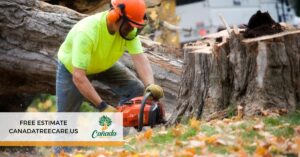
In these situations, our experienced crews utilize specialized rigging equipment, crane support, and controlled dismantling methods to safely take down large trees in tight residential spaces. Following tree removal/extraction, complete stump grinding removes underground root balls, leaving a level surface ready for new grass, planting beds, or hardscaping.
Clearing Overgrown Properties & Managing Invasive Species
Neglected land parcels and hillside lots quickly collect thick brush, invasive weeds, and tangled vine growth. Our professional lot clearing team removes unwanted vegetation, fallen logs, and heavy green waste to prepare residential grounds for new construction or fire safety inspections.
Invasive climbing plants like English ivy represent another major threat. Vines climb up trunks, clinging tightly to bark surfaces and blocking natural sunlight. Through professional ivy topping and removal, we safely strip away dense vines from tree trunks, restoring healthy airflow, bark ventilation, and sunlight access to the host canopy.
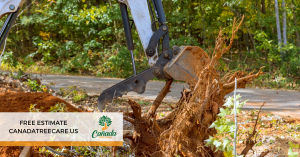
Tree Hanging Over Your House? Call for Tree Removal Services Cañada Tree Care
Pasadena Tree Trimming FAQs
Do I need a permit to trim or remove a tree on my property in Pasadena?
Under Pasadena Municipal Code Chapter 8.52, a permit is required to remove or significantly alter any protected native tree (such as Coast Live Oaks, Western Sycamores, and California Walnut) or designated Landmark Trees over specific size thresholds. Routine arboricultural pruning that follows ANSI A300 guidelines generally does not require a permit, but consulting a certified arborist prior to work is recommended to ensure compliance.
What is the best time of year to prune native oak trees in Southern California?
The ideal time to prune native Coast Live Oaks is during their semi-dormant dry period in mid-to-late summer or early winter. Pruning during wet spring months should be avoided because open pruning wounds and high humidity attract fungal spores and boring insects.
What is the difference between tree topping and structural canopy thinning?
Tree topping is a harmful practice that cuts major leader branches down to stubs, causing severe decay, weak sucker growth, and premature tree death. Structural canopy thinning selectively removes specific secondary branches to reduce weight and open airflow while preserving the tree’s natural architectural framework.